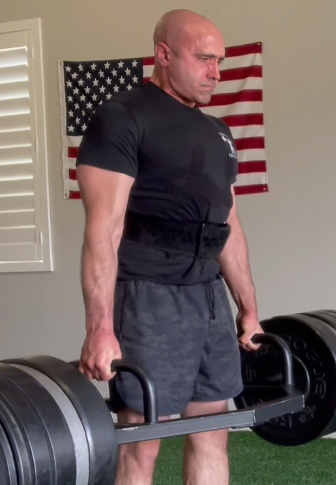

First Responders and Tactical strength and conditioning is not bodybuilding or crossfit.
Key Takeaway
Our Police, Firefighters, and various tactical populations should focus their strength and conditioning on training capacities that will enhance their performance on the street or battlefield, not body-part splits or aimless circuit training.
Capacities that should be trained for a Tactical/First Responder:
-
Strength
-
Aerobic Capacity
-
Aerobic Power
-
Lactic Capacity
-
Lactic Power
The challenge? Many of these are competing qualities and trying to smash all of them at once will result in mediocrity in all of them. This is where just throwing yourself down a flight of stairs…for time…will fall short. I am not saying there isn’t a time and place to build grit, you just ensure it is nested in an overall plan to ensure long term progress.
Applying the right training methods, at the right time, and at the right dose is where performance lives. I’ll use our first new training phase of 2026: Build: Phase 1, as the framework of this concept. We start this January 5th on the TrainHeroic app. For this phase we will pivot just a bit from the heavier conditioning work we did in Enduring, and we start to get a little more meatheaded but still maintain/build our conditioning.
Think of this phase as building you into a linebacker…with just a bit more of an engine. We need you to be able to function beyond the typical time it takes for a football play…but we still want you to have the raw power and strength needed in hand in to hand situations or carrying people to safety.

Concurrent Training or “Conjugate” vs Western Periodization
Concurrent training or the conjugate method is a strength and conditioning system where the athlete trains multiple facets of strength and conditioning at once. This was made extremely popular by Westside Barbell with their success in powerlifting. However, strength and conditioning coaches have been doing some form of this in the collegiate and professional setting for a long time.
Conversely, pure western or linear periodization is a system where the program has strict blocks of training. Programs are often set up with anywhere between 4-8 week blocks of high volume/rep (Hypertrophy/Bodybuilding), then a moderate rep range/strength block, and then power.
Before we all jump on which one we think is better, it is important to understand both systems have produced successful and freakish athletes. The better question is which one is better overall for most people, specifically professions where people are asked to respond to the unknown, and aren’t on heavy amounts of performance enhancing drugs.
Strengths and Weaknesses - “Linear” vs. “Conjugate”
Linear
Western periodization does a great job getting you very good at whatever block you’re concentrating on. The problem is if you follow the traditional programming model by the time you get to the end of a 12 week cycle you’ll start to concentrate on strength and then power work.
The problem is you’ll:
-
Stop doing any kind of muscle building work
-
You’ll lose some of the size you gained
-
You’ll lose some of the connective tissue adaptions that take time to build
Not ideal if you’re a football player heading into season. Conditioning can also be impacted this way depending on how it is structured. Ignore one facet for too long and you will lose it, and this particular a problem for our First Responders/Tactical since they are always “in-season” and need to be ready.
Conjugate
A drawback of the conjugate method is it takes a bit of skill to know how much of each quality you should be emphasizing during each phase of training. This is easier if you’re in a sport that measures only a one or two qualities like powerlifting or single event track events.
But what if you’re a wrestler, MMA fighter, multi-event track athlete, patrol cop, or firefighter? You need strength, conditioning, power, but as stated earlier if we do everything at once you’ll just suck at everything.
How do we get there?
“Conjugate” + “Linear”
What do I think the best is? Both. How do you do both? As a coach I realized when you look at almost any good strength and conditioning program, and when you zoom out far enough, they are all almost some form of linear progression. No matter how chaotic it looks in the short-term.
It looks like any generic stock market graph you’ve ever seen. The market goes up, sometimes goes down, but generally trends in a certain direction…up. In the case of strength and conditioning, the graph should end with higher levels of strength and fitness that is specific to your event. Much like with investing, if you pick a few good assets and hang on to them over time they’ll be worth more. View your training the same way. It won’t always be pretty but maintain the course and you will get better.
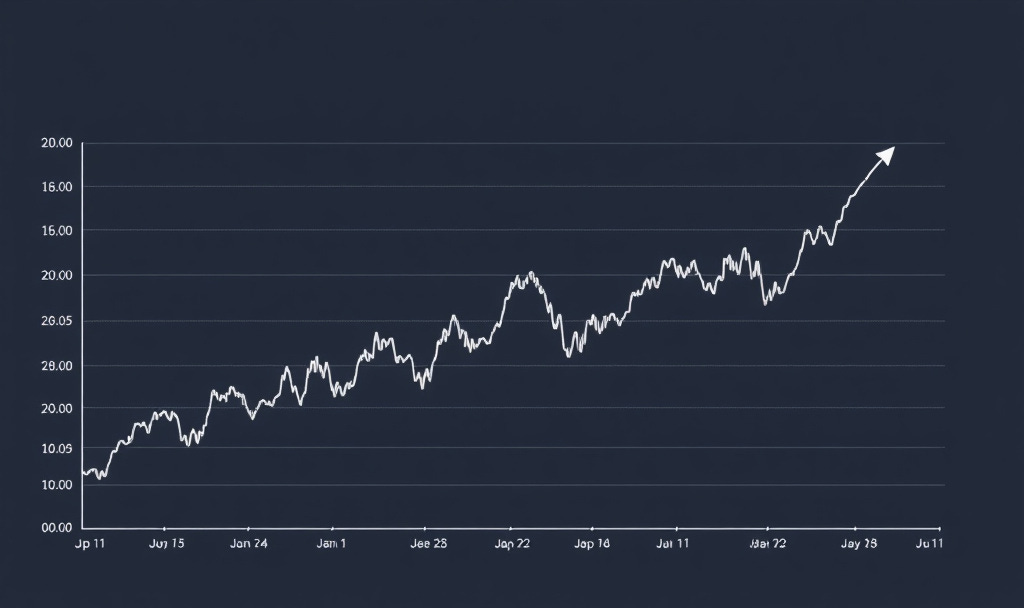
Continuing with the market analogy you wouldn’t just blindly pick a company or a fund and just throw your money into it.
Have a plan, and with programming you need to know when to pair complementary fitness qualities that will support each other while dialing back and maintaining others. This requires knowing how long certain training effects last.
The chart below is on page 52 from the book, Triphasic Training, written by Coach Cal Dietz:
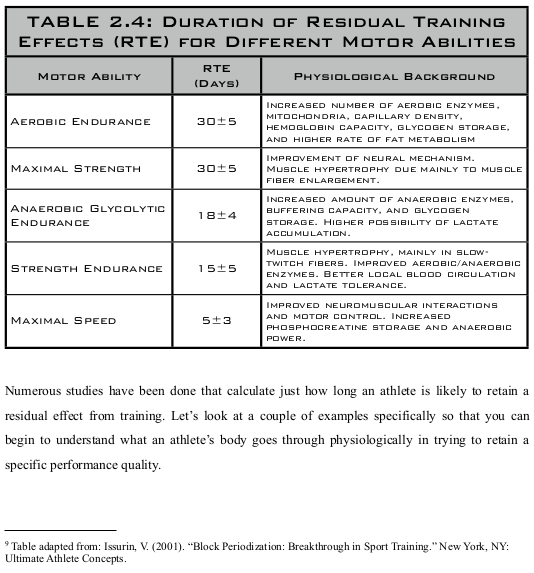
This chart measure residual training effects. Meaning, how long does something “stick” after you spend time training it and then stop.
Note the amount of time it takes to start to see a drop in aerobic capacity or max strength- about a month - and that means if you spend ZERO time maintaining it.
Glycolitic or mid-range interval work is almost 3 weeks before you see meaningful drop off. Again, without maintaining it.
Strength endurance takes two weeks before you start to lose it!
Speed drops off damn near immediately…so maybe we need to be jumping or doing explosive work quite often? Especially as we get older?
If you respect this phenomenon you know how to structure programming over the long term. I would also argue that this chart shows the qualities that typically take a longer time to build stay longer. There is no shortcut on building meaningful strength or aerobic capacity. It can weeks (if untrained) or months depending on your level of training to raise it substantially.
Closing
This is where a solid program excels and how you actually can make long term progress as a first responder. The physical capacities you need in these professions requires a balance to achieve performance. Our next phase does all of that and more.
Next article I’ll provide an example from our next phase starting January 5th. We start the year out with two 8 week blocks that will have you hitting PRs on your lifts, increasing your aerobic/work capacity, and have you physically ready for the job.
Your mindset and commitment will be up to. Questions? Comment below.